Reliable HVAC Contractor vs. Cheap Service: What’s the Difference?
A furnace or air conditioner does not give much warning before it becomes a problem. One day it is keeping the house steady, and the next it is cycling constantly, leaking, or blowing air that never quite reaches the right temperature. That is usually the moment people start comparing quotes and asking a very practical question: should I go with the cheapest option, or pay more for a reliable HVAC contractor?
The answer is rarely about price alone. It is about what you are actually buying. Cheap service can look appealing on paper because the quote arrives fast and the number is lower. Reliable service often costs more because it includes better diagnostics, better labor, better parts, and more accountability if something goes wrong later. The gap between the two shows up in the first hour of the job, but it usually becomes obvious over the next six months, when the cheap repair starts to fail, the room never cools evenly, or the equipment burns out earlier than it should have.
I have seen homeowners spend less twice and still pay more overall. I have also seen a well-chosen, qualified HVAC installer solve problems that three previous visits never touched because the issue was not the thermostat or the capacitor, it was the duct design, airflow imbalance, or an improper installation from the start. That difference matters in a place like Winter Haven, where heat, humidity, and long cooling seasons put real strain on HVAC systems.
What cheap service usually leaves out
A low bid is not always a bad sign, but it often means something has been reduced. Sometimes the reduction is harmless. A contractor might be newer, smaller, or willing to work with a lower margin. More often, though, the price is lower because the job is being rushed, the diagnosis is shallow, or the installer is planning to use the easiest fix rather than the right one.
Cheap service often depends on speed. The technician arrives, glances at the obvious symptom, replaces a part, and leaves. If the system starts up, the call is marked done. That approach can work when the issue is simple, but HVAC systems are connected. A weak capacitor might be the visible failure, but the root cause could be a failing motor, contaminated coil, restricted airflow, or voltage fluctuation. Replace the capacitor only, and the system may limp along for a few weeks before calling for help again.
The same pattern shows up in installations. A cheap installation may still put the equipment in place, but it might skip load calculations, duct sealing, proper refrigerant charging, or airflow testing. The homeowner gets a unit that runs, but not one that runs efficiently or lasts as long as it should. I have seen new systems that were technically installed and still performed poorly because the details were handled casually. The equipment was not the problem. The labor was.
There is also the matter of parts quality. Two capacitors, two contactors, or two blower motors may look similar from the outside, but the difference in durability can be significant. A cut-rate service may use whatever is on the truck, or the least expensive equivalent, without much discussion. A reliable HVAC contractor explains why one part is preferable, what the warranty looks like, and whether a temporary repair is wise or whether replacing an aging component is the better long-term move.
What reliable service pays attention to
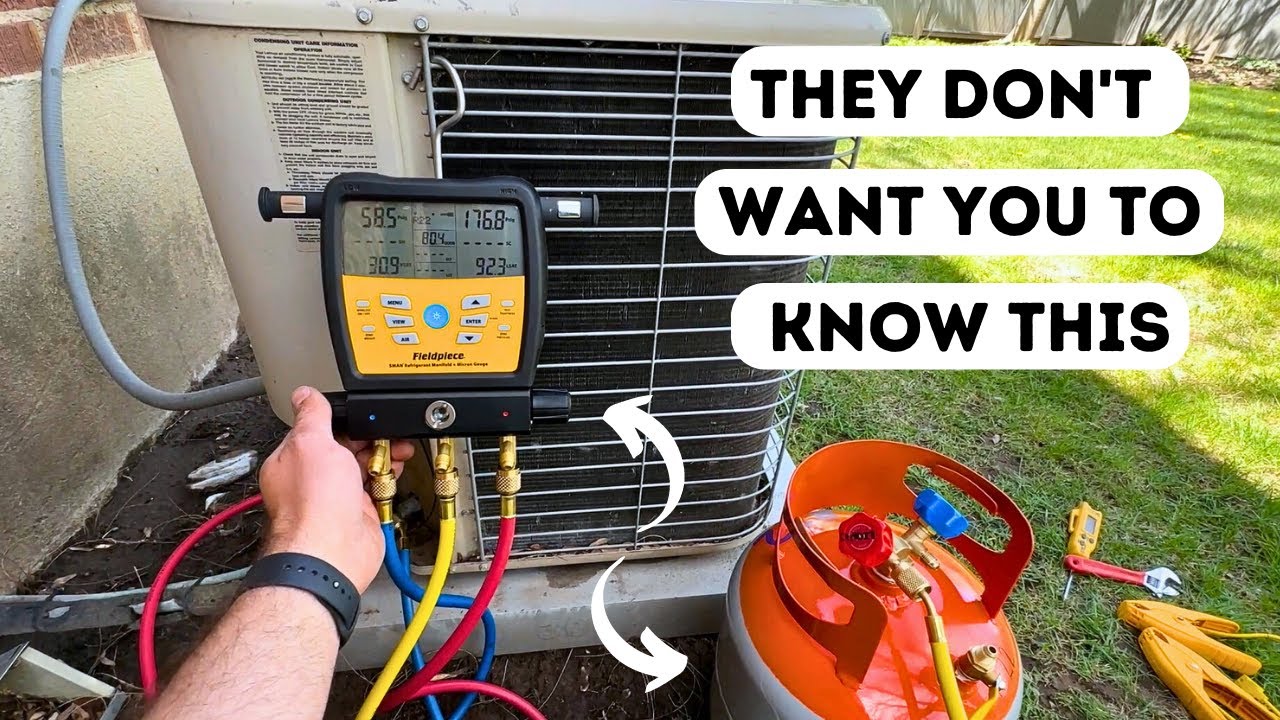
A reliable HVAC contractor usually starts with diagnosis, not guesswork. That sounds basic, but it is where many costly mistakes are prevented. Good technicians check pressures, temperatures, electrical readings, airflow, condensate drainage, and the condition of the coils and filters. They do not stop at the symptom if the symptom does not explain the failure.
Reliable service also means the technician knows when not to sell a repair. If a system is old, heavily rusted, or repeatedly failing in multiple areas, a responsible contractor will say so. That does not make the answer easier for the homeowner, but it keeps money from being poured into equipment that has already reached the edge of its useful life.
Installation work is where reliability becomes easiest to measure. A qualified HVAC installer does not just set equipment in place and connect the lines. They check sizing, duct capacity, static pressure, drainage, refrigerant charge, and electrical safety. They look at the whole system as a system. That matters because a 3-ton unit on paper may not behave like a 3-ton unit if the ducts cannot move enough air or if the attic temperature is punishing the equipment all afternoon.
Reliable work is often less visible than cheap work, which is one reason homeowners sometimes underestimate it. You cannot always see a proper drain slope, a balanced airflow adjustment, or a carefully brazed line set. But you do feel the difference in quieter operation, steadier temperatures, lower utility bills, and fewer service calls.
Price is easy to compare, value is harder
Most people understand the quoted number immediately. What is harder to see is the total cost over time. That is where the difference between a cheap service and a reliable HVAC contractor becomes real.
A low-cost repair can become expensive if it fails repeatedly. Three visits for the same problem add up quickly, especially when each visit includes a diagnostic charge. A rushed installation can leave the homeowner with higher electric bills, more wear on the compressor, and uneven comfort in the house. A poor airflow setup can shorten the life of the system by years, which is where the true cost usually hides.
A more reliable contractor may charge more upfront, but the repair often lasts longer and the installation tends to be more predictable. That does not mean every expensive service is automatically good. Price alone can mislead in both directions. Some companies charge premium rates and still cut corners. What you want is evidence that the extra money pays for process, skill, and accountability.
If you are comparing estimates, pay close attention to what is actually included. Is the contractor testing system performance or only replacing a visible part? Are they using matched components? Are they cleaning the coil if the coil is clearly part of the issue? Are permits, start-up checks, or warranty registration included for a new installation? These details often matter more than a small difference in the quoted total.
The hidden value of diagnosis
One of the clearest differences between cheap service and reliable service is how the problem gets identified. A quick fix might solve the immediate symptom while leaving the system vulnerable to the same failure again. Proper diagnosis takes longer and requires more knowledge, but it is usually where the savings come from.
Consider an air conditioner that is icing over. A cheap response might be to add refrigerant and move on. That can make the system cool again for a while, but it does not answer the question of commercial AC installation why the refrigerant was low. If the system has a leak, the issue will come back. If airflow is restricted by a clogged coil or a failing blower motor, the refrigerant charge may not have been the root cause at all.
A reliable HVAC contractor looks for the reason behind the symptom. That means measuring, not guessing. It also means being willing to spend more time on a call when the problem is not obvious. Homeowners sometimes interpret that extra time as inefficiency. In practice, it often prevents repeat service and protects the equipment.
This is especially important for newer high-efficiency systems. They can be less forgiving of shortcuts. A mistake that might have been tolerable on older equipment can create efficiency losses or error codes on modern systems. A qualified HVAC installer knows how the components interact and how small deviations can affect performance.
Why Winter Haven homeowners should be selective
In Central Florida, air conditioning is not a seasonal luxury. It is part of daily life for a large stretch of the year, and humidity makes the job harder. Systems run longer, drain more moisture, and spend more time under load. That puts more pressure on installation quality and maintenance discipline.
For homeowners looking for the top-rated air conditioning company Winter Haven has to offer, the smartest approach is to look past the sales language and examine the actual service behavior. How do they explain the problem? Do they offer a written estimate? Do they respect the house while working in it? Do they answer direct questions without hiding behind jargon?
Humidity also exposes weak service quickly. If the system is not draining correctly or the blower is not moving enough air, moisture lingers in the home. That can create odors, mildew, and a general sense that the house never feels fully comfortable. People often blame the thermostat when the real issue is installed equipment that was never properly matched to the home.
A reliable HVAC contractor in Winter Haven understands that cooling is not only about temperature. It is about dehumidification, airflow, indoor comfort, and keeping the system efficient through long run times. The contractor who notices those details is usually the one who will save you from unnecessary problems later.
What to look for before you hire
Homeowners do not need to become HVAC technicians to choose wisely, but a few practical habits make a major difference. The first is to compare more than price. The second is to ask a contractor to explain the work in plain language. A good professional can describe the problem, the likely cause, the repair path, and the trade-offs without sounding defensive.
It also helps to read HVAC company reviews with a specific eye. Do reviewers mention punctuality, communication, cleanliness, and whether the repair lasted? One glowing comment is not proof of quality, and one angry review does not prove the opposite. Patterns matter more than single opinions. If multiple people mention that the company showed up on time, fixed the issue correctly the first time, and stood behind the work, that says something useful. If the reviews keep mentioning surprise fees, repeated callbacks, or poor follow-through, pay attention.
There are a few signs that tend to separate a dependable company from a bargain-only outfit. A useful comparison often comes down to these points:
- Clear diagnostics before repair recommendations
- Written estimates that explain parts and labor
- Willingness to discuss alternatives, including replacement when appropriate
- Clean workmanship, especially on installations and duct connections
- Follow-through on warranties and callbacks
That short list does not guarantee perfection, but it gives you a framework that is much better than choosing solely by the lowest number.
The role of maintenance in the difference
Cheap service often treats maintenance as optional or superficial. Reliable service treats it as the difference between a system that ages normally and one that starts failing early.
Routine maintenance is not glamorous, but it catches the small problems that become expensive. Loose electrical connections, dirty coils, low refrigerant from a slow leak, blocked condensate drains, and worn fan components all show up in maintenance long before they become emergencies. A good technician does not just clean parts, they inspect how the system is aging.
That matters because HVAC failures are rarely dramatic at first. The house may cool a little slower, the humidity may creep up, or the system may make a sound that was not there last summer. Those signs are easy to ignore until the compressor starts short cycling or the blower motor gives out on a holiday weekend. Reliable contractors know that maintenance is often cheaper than emergency repair, and they help customers think that way too.
I have watched homeowners spend hundreds chasing one summer failure after another, when a timely inspection would have found the underlying issue for a fraction of the cost. Maintenance is not a sales trick when it is done honestly. It is a practical way to extend the life of the equipment and avoid avoidable breakdowns.
When cheap service can be acceptable
Not every inexpensive service is bad. Sometimes the job is genuinely simple. A tripped breaker, a clogged filter, a failed thermostat battery, or a straightforward capacitor replacement may not require a large bill. Some smaller companies keep overhead low and pass that savings along without sacrificing quality.
The key is not to assume low price means low value, or that a higher price automatically means better work. Instead, look at the behavior behind the quote. Is the technician careful? Do they explain what they found? Does the company carry itself like a professional operation? Do they encourage a repair that makes sense, or do they push unnecessary replacements?
Cheap service is acceptable when the scope is limited and the work is competent. It becomes risky when the company uses a low quote to mask rushed labor, weak diagnostic skills, or a habit of returning for repeat fixes. The difference is often visible in the first conversation. A contractor who can speak clearly about the problem usually understands it better than one who only offers a quick price.
The cost of shortcuts shows up later
Shortcuts in HVAC work have a way of collecting interest. A slightly undercharged system may not fail immediately, but it can run harder and wear faster. A poorly sealed duct connection may waste conditioned air for years before the homeowner connects the discomfort to the installation. A new unit installed without proper airflow verification may run quietly and still underperform enough to leave rooms sticky and uneven.
The bill for that kind of work often arrives gradually. Higher power usage, nuisance repairs, shorter equipment life, and uneven comfort all accumulate. Many homeowners do not connect those issues to the original service call because the system technically still works. That is what makes cheap service so deceptive. It rarely fails in one dramatic moment. It creates a slow series of small problems that are easy to dismiss until they are expensive.
Reliable service does the opposite. It reduces uncertainty. You may pay more in the moment, but you are less likely to face the same issue again next month. That stability has real value, especially in homes where comfort problems are disruptive or where elderly family members, young children, or pets rely on consistent indoor conditions.
A better way to choose
The smartest buyers ask a few straightforward questions and listen carefully to the answers. Who will do the work? What exactly is included? How do they confirm the diagnosis? What happens if the same problem returns? If they are installing equipment, how do they verify that the system is sized and balanced correctly?
Those questions reveal more than a shiny ad ever will. A top-rated air conditioning company Winter Haven homeowners trust should be able to answer them without hand-waving. A reliable HVAC contractor does not need to sound theatrical. They need to sound precise, calm, and familiar with real job-site conditions.
If you have ever had a repair that failed again before the season ended, you already know how costly a shallow fix can be. If you have ever watched a well-installed system run smoothly year after year, you also know that good work is worth paying for. The difference between cheap service and reliable service is not abstract. It is measured in comfort, time, utility bills, and how long your equipment keeps doing its job without drama.
Phone:
(863) 247-0271
Website:
icecoolinghvac.com
Indoor Climate Experts
296 Lake Smart Circle,
Winter Haven,
FL
33881